Asphalt, the building block:
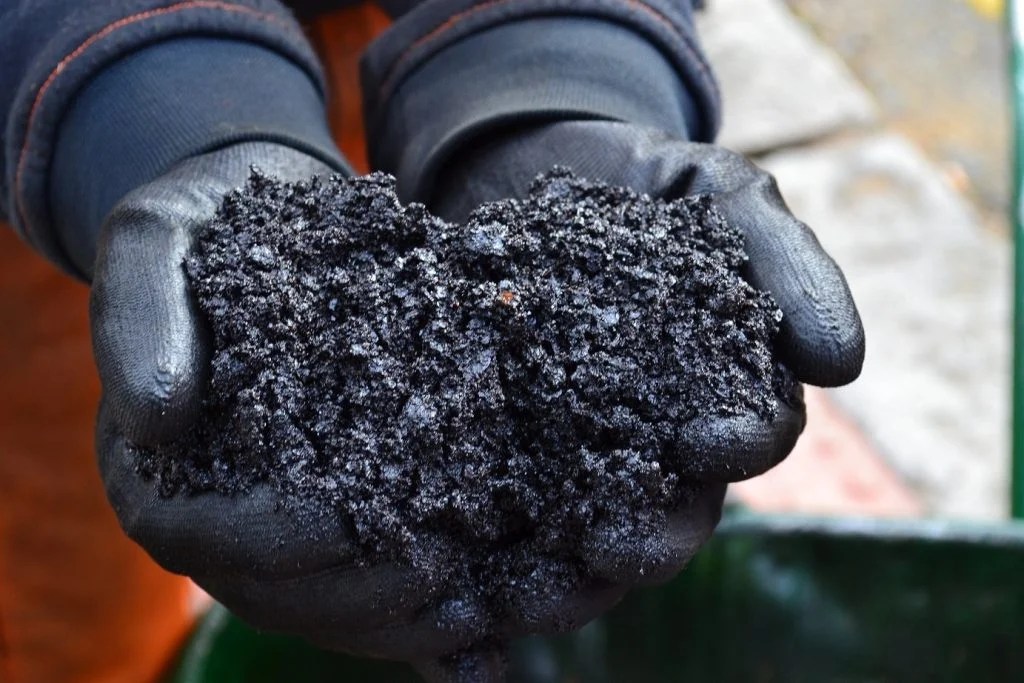
If you’ve ever noticed how the road feels softer or hotter than everything around it, you’re not imagining things. That everyday road beneath your feet is a carefully engineered material, asphalt, designed to handle heat, pressure, and constant use. Asphalt is often chosen when building roads because it can be laid quickly and is cost-effective. Asphalt is made from a mixture of aggregates—like rocks, sand, and gravel—held together by a sticky black binder that comes from crude oil. The binder provides adhesive and waterproof properties to the asphalt. It holds the mix constituents together and prevents the mix from flowing and segregating.
Asphalt, the microscopic view:
Chemically, asphalt contains long chains of Carbon and Hydrogen molecules, called Hydrocarbons. It also contains small amounts of other elements like sulfur, oxygen, and nitrogen. Different crude oils produce asphalts with varying carbon, hydrogen, sulfur, oxygen, nitrogen, and trace metals. These elements are particularly important in dictating asphalt’s physical and chemical characteristics, such as strength and flexibility. Asphalt needs to be strong enough to support cars and trucks, but flexible enough to bend slightly without cracking.
The Challenges:
Even though asphalt is strong, it isn’t perfect. Where I live, heat plays a major role in
how asphalt behaves. Asphalt absorbs a lot of heat and during the summer, high temperatures can soften the binder, making roads more likely to develop ruts or slight dents from heavy vehicles. Over time, constant heat, air and traffic can cause asphalt to wear down, making it dry and brittle and causing cracks. In places with frigid winters, water that gets into the cracks can freeze and expand, causing potholes. That is why you might see road repairs or resurfacing projects around town. Because asphalt is made using a binder derived from crude oil, global events such as the ongoing conflict in Iran can have a direct impact on something as local as road construction. When oil prices rise, the cost of producing asphalt increases, making it more expensive to build and repair roads.
The Future:
To deal with these challenges, engineers are exploring alternatives like recycled asphalt, which reuses old road materials, and bio-based binders made from plants instead of petroleum. These innovations aim to make roads more affordable and sustainable, especially in growing communities where new construction is happening all the time.
Next time you walk or drive on a road near you, take a closer look at the pavement. It’s not just
“blacktop”, it’s material science in action, designed to keep our communities moving every day.

What’s your take on this? Click below to leave a comment