If you have ever walked or biked around Mountain House, you would have noticed something interesting, some of these paths are smooth and perfect while others already have small cracks. Are these cracks just regular wear and tear, or is there hidden science that explains why some pavement lasts and some doesn’t?
It’s Not Just One Material
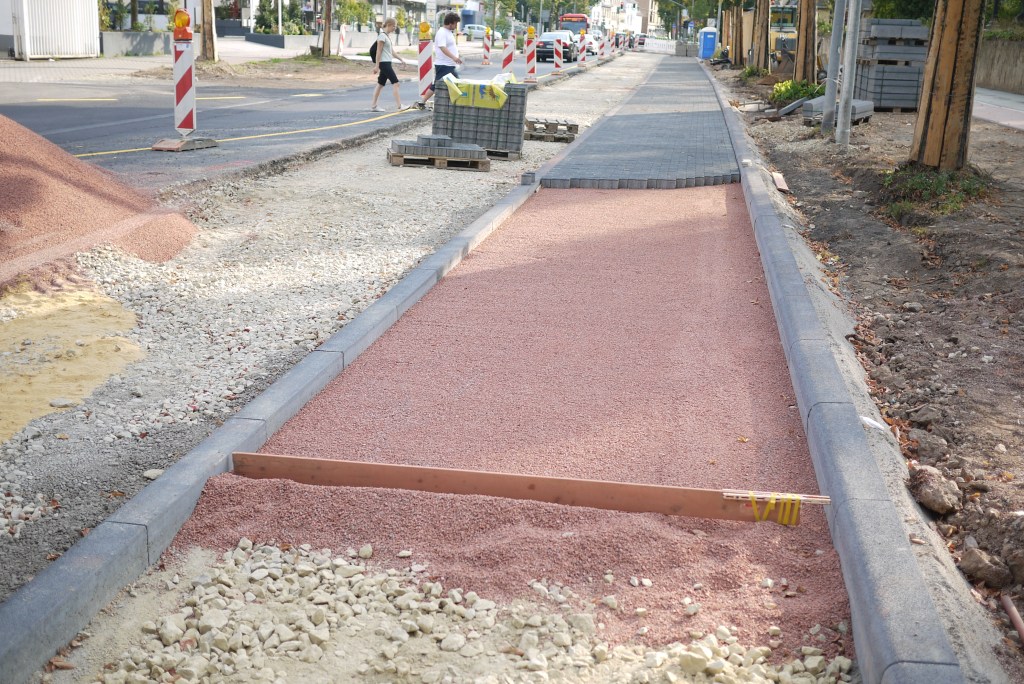
A pavement or a bike path looks like a flat slab, but it is built in three or four layers. The bottom most layer is just native soil that is compacted and above that is a layer of crushed gravel. The topmost layer is the concrete that we walk and ride on.
Each layer has a job. The top layer provides friction and protection against weather. The layer of gravel distributes load evenly and drains water. If any of these layers are not built properly, the pavement above can start to fail.
The top layer of pavements is sometimes made of asphalt as well. Asphalt is more flexible, so it can bend slightly under pressure, which helps prevent immediate cracking. However, it wears out faster over time. Concrete is much stronger and lasts longer, but it’s rigid, so when it cracks, the cracks can be more noticeable.
Why Cracks Happen
There are three main causes of pavement failure.
The first is fatigue. Basically, the pavement weakens due to repeated use from people walking, biking, or maintenance vehicles passing over slowly.
The second is temperature related stress. In many areas, summer temperatures regularly exceed 100°F, and winter nights can drop near freezing. This causes daily and seasonal expansion and contraction of the material eventually producing transverse cracks — the straight lines that run perpendicular to the road. Bike paths are especially susceptible because they tend to be thinner than vehicle roads.
The third is moisture. Water can seep into small openings or cracks, and when it accumulates or freezes, it makes the cracks grow bigger. This is why drainage design — how quickly water moves off and away from the pavement — is often more important than the surface material itself.
What Makes Newer Planned Communities Different
Newer planned communities try to reduce the impact of these problems. They use updated design standards, better materials, and sometimes even permeable surfaces that let water drain through instead of getting trapped at the edges and infiltrating the pavement layers. Engineers also think about long-term costs, often spending more money upfront on better construction that can reduce repairs later. Engineers today use software to model how a specific pavement section will perform over 20 to 30 years before construction.
These communities also use reflective “cool” pavements that stay cooler in the sun than traditional pavements. California cities and new planned communities have been applying light-colored or pinkish-tan acrylic coatings over the top layer of concrete or asphalt specifically to reduce the urban heat island effect — these reflective pavements have demonstrated a capacity to lower surface temperatures by 5–20°C.
Next time you are riding or walking around your neighborhood , look closely at the pavement under your wheels or feet – there is a lot of science at work!

What’s your take on this? Click below to leave a comment